


World map / Asia
Loading...
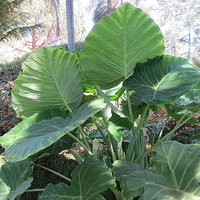
This species produces leaves that are truly gigantic: in tropical enviroments they can grow up to a size of 180 cm!
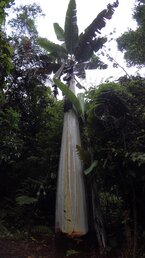
The Giant Highland Banana is the largest banana species and thereby also the largest herbaceous plant in the world.
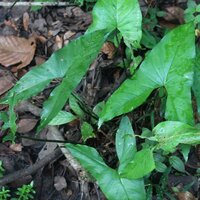
The Giant Swamp Taro grows along streams, rivers and in patches of forest that regularly flood.
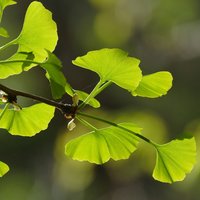
The ginkgo is a living fossil that should have been formed over 250 million years ago. It is the oldest species of seed plants in the world.
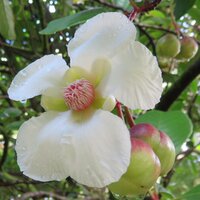
The flowers of the godapara can reach 8 cm in size and have 5 beautifully shaped, white petals.
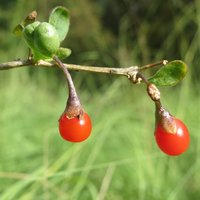
A hardy plant form china with orange/red berries, which contain many antioxidants and vitamins. The berries can be processed in juices, or can be dried and used as raisins.
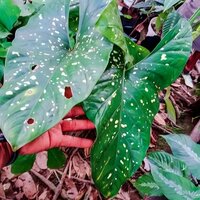
Many golden spots appear on the glossy, dark green leaves, as if the leaf has paint splatters.
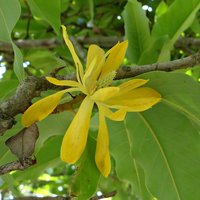
The yellow/golden flowers spread a delicious smell throughout the whole garden. The flowers are often used in the production of expensive perfumes.
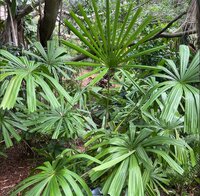
This rare Licuala species originates from the swamp forests of Southeast Asia.
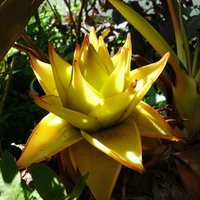
The inflorescence of this species is overwhelming, with a big yellow flower that can bloom for a whole year and spreads a delicious smell.
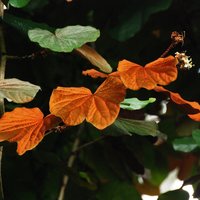
The young leaves of this special species have a red color and only later change to green.
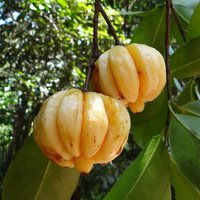
The fruits of this tropical species are a well-known ingredient in Asia for many different curry recipes.
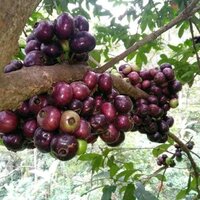
The gowok fruit tree is a special tree from Southeast Asia that is known for the small edible berries that grow in clusters on the tree.
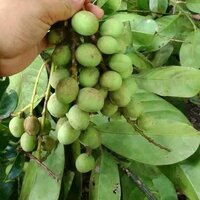
Griffith's mango is a special, rare mango variety with striking red to purple fruits.
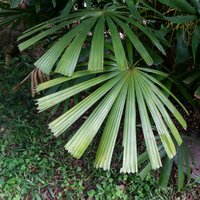
A rare Lanonia species that only occurs on the island of Hainan in the South China Sea.
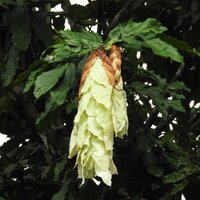
The handkerchief tree is an extraordinary leguminous species from New Guinea.
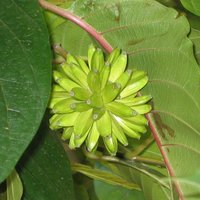
The trunk, bark and leaves contain a substance which plays an important role in Chinese medicine. In China and Tibet, people are convinced that this plant makes them happy.
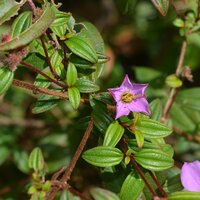
This small herbaceous plant is native to Sri Lanka and is known for its many medicinal properties.
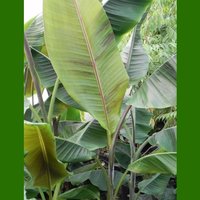
This variety produces sweet edible banana fruits and can withstand low temperatures when kept at a sheltered place and packed with isolating materials.
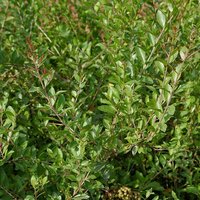
The red pigment henna has been used for thousands of years for colouring nails, hands and hair. With this plant, you could make your own henna paste!
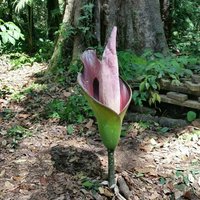
This very rare arum species grows in the tropical rain forests of Borneo and has one of the biggest inflorescences of the Amorphophallus genus.
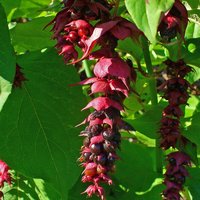
The trusses of white flowers with purple bracts hang down like earrings. The berries taste like chocolate/caramel-raisins.
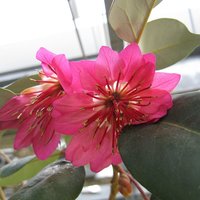
A rare, winterhardy species from China with beautiful pink flowers that are naturally pollinated by birds.
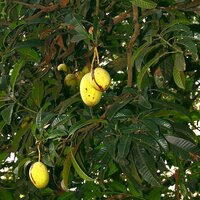
The Horse Mang is a rare species of mango that is native to tropical lowland forests of Southeast Asia, especially Borneo and Sumatra.
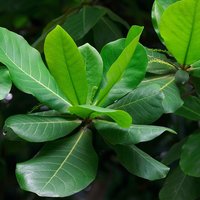
The large seeds of this tropical tree are edible and taste like almonds.
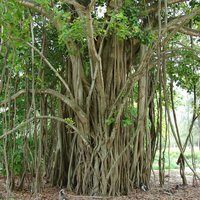
The species starts as an epiphyte and produces aerial roots that form into woody stems and thus can take the place of its previous host. Also performs well as a houseplant.
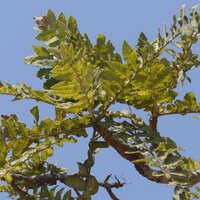
The Indian frankincense tree, like other Boswellia species, is known for producing natural incense.
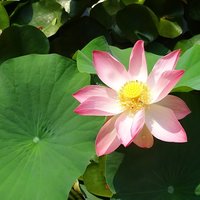
Beautiful water lily with large leaves and pinky white flowers. The plant can be kept outside, as long as the water around the roots doesn’t freeze.
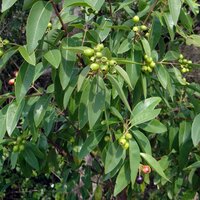
Sandalwood is a wonderfully fragrant type of wood that comes from this small tropical tree from India.
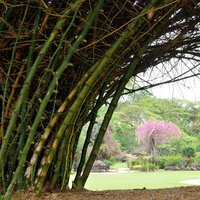
A large bamboo from the tropical forests of India, with sharp thorns and stems that fade from black to green. Suitable as a houseplant.
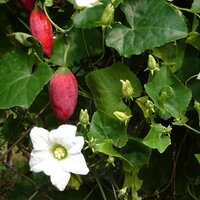
The tindola can be eaten fresh as a cucumber or added as a vegetable to a variety of dishes.
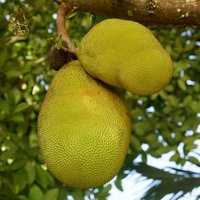
The Jackfruit is the largest fruit in the world, and can weigh up to 50 kg. The tree originates in India and the fruits grow directly on the stem.
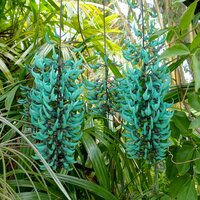
The blue-green, turquoise colour of the flowers looks extraordinary.
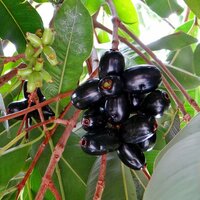
The oval fruits ripen from pink to dark purple to black, and have juicy, sweet flesh.
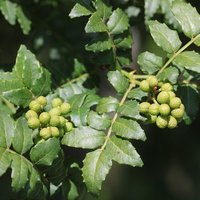
Hardy plant from Japan. Fruits and seeds can be used as spice and pepper. For example with Japanse dishes.
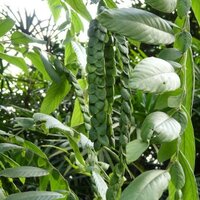
This medicinal plant has a unique inflorescence with fairly large, green, overlapping bracts.

World’s largest winged seeds which can spread themselves over a long distance by floating.
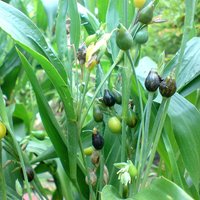
In Asia, the seeds are applied as grain and are sometimes used for tea or processed into liquor. It’s an annual plant with grey, pearl-like seeds.
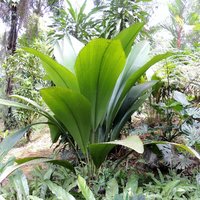
This might be one of the most spectacular and beautiful palm trees in the world. In the rainforest the enormous fan-shaped leaves grow from the ground up to heights of even 6...
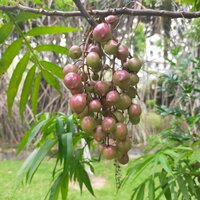
The Johore tree is a rare tree from the lychee family and originates from Borneo and the Philippines.
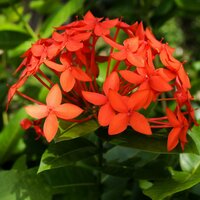
The jungle geranium is a small shrub from India and Sri Lanka that can also bloom easily in a pot.
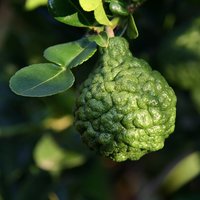
The eye-catching leaves of this Citrus species are very aromatic and have a fresh-sweet smell and taste.
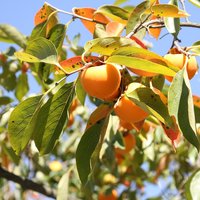
The orange-red persimmons ripen in autumn and originate from the Himalayas. The species is hardy and has been cultivated for centuries.
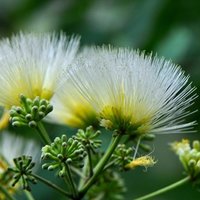
A rare sleep tree/silk tree with white flowers which is hardy in a sheltered, sunny spot. At night, the leaves of this species fold over and close.
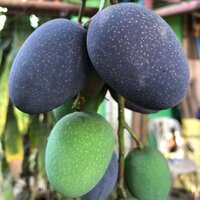
The Kasturi mango is a delicious, sweet fruit with juicy flesh.
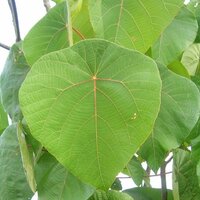
The up to 50 cm large leaves of this species have many uses.
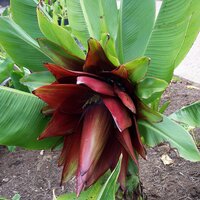
A rare species from north-western Thailand with rather short, broad leaves and a coloured midrib. Overwintering is possible at a temperature of at least 5 degrees Celsius.
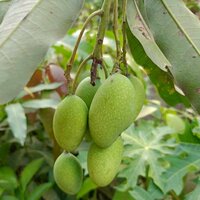
The fairly small fruits, about half the size of a regular mango, have a slightly sour and citrus-like taste.
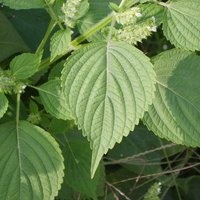
An annual plant with very aromatic leaves that taste like a combination of mint and apple. The leaves can be used as a vegetable in a variety of Korean dishes.
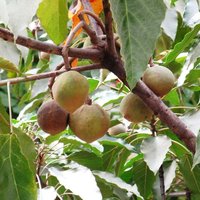
The kukui or candlenut is used in the Malaysian and Indonesian cuisine. The nuts are very oily, so they can burn like a candle.
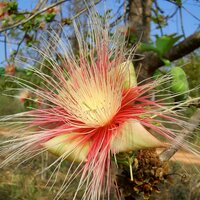
The flowers of the kumbhi tree look unusual because of the protruding stamens.
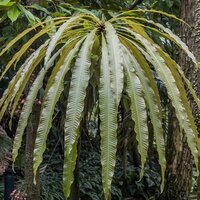
The Kun-job is an unusual tropical tree from Papua New Guinea with shiny long, narrow leaves.
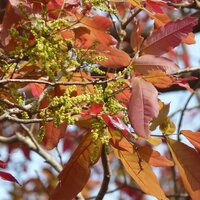
The seeds of this tree contain a lot of oil and this is known as kusum oil.
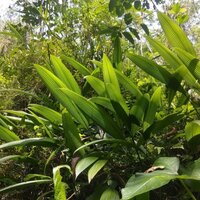
The Lamba is an exceptional houseplant with fascinating characteristics. it grows as a small herbaceous species on the forest floor and produces edible, flavour altering fruits.
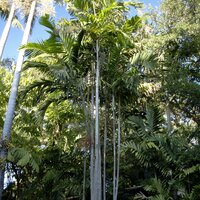
This rare Ptychosperma palm comes from the tropical coastal areas of Papua New Guinea where it grows as distinctive clusters.
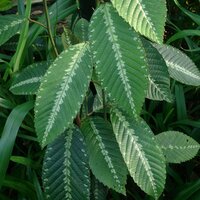
The up to 25 cm large leaves of this species have an unusual colour pattern.
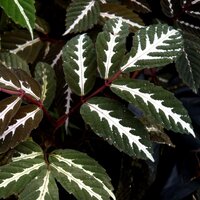
The leaves of this rare species look spectacular with a striking pink-white central stripe.
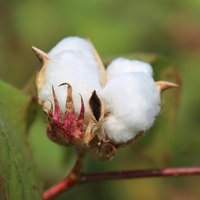
Cotton has been cultivated for thousands of years for the seed fluff which is used for making textile. It’s an easily kept annual plant.
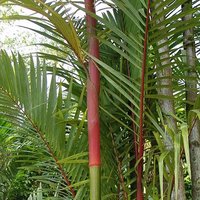
This species is seen by many as the most beautiful palm species in the world. This is not only because of its unusual bright red trunk and leaf stem, but the leaves are also...
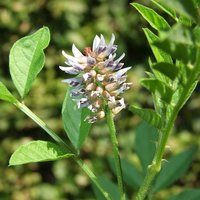
Liquorice is harvested as roots from this small, hardy shrub from western Asia. After three years, the first roots can be harvested.
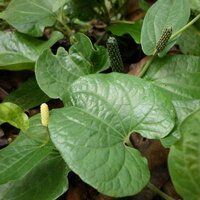
The dried fruits of this pepper species are used in many Southeast Asian cuisines.
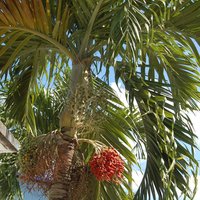
A beautiful palm from the Philippines with a special trunk and naturally bright red fruits around the end of December. Hence also called Christmas palm. Well suited as a...
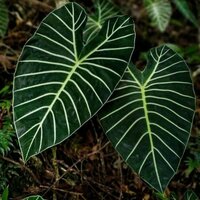
This undescribed species comes from the Meratus Mountains in southeastern Borneo.
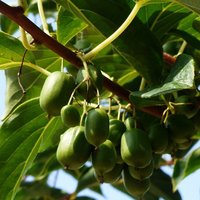
A self-pollinating, compact, delicious kiwi with high yields in a temperate garden. The smooth skin of the kiwi can be eaten, directly from the plant.
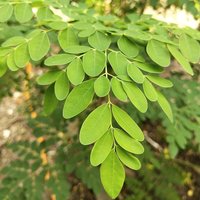
The leaves and fruits contain many vitamins and minerals, and have medical applications. The seeds purify water and contain a high content of oil.
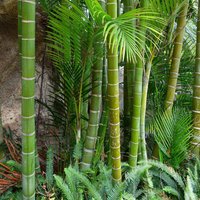
The biggest bamboo outside the tropics, which can grow up to a height of 28 meters. The bamboo is hardy and can be grown in the garden.
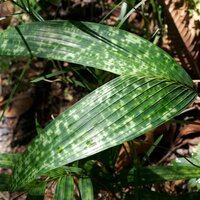
This dwarf palm has a special pattern of light green spots on its leaves in its first years.
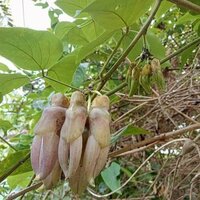
This large climbing plant comes from the rainforest of the province Bengkulu, on the west coast of Sumatra.
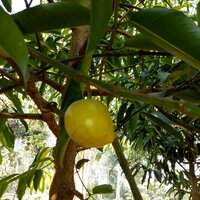
The yellow fruits have a thin skin and slightly acidic, citrus-like flesh.
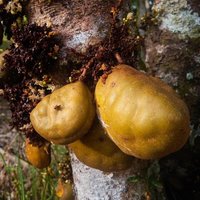
The flowers of the nam-nam bloom on the stem and are followed by unusually shaped fruits.
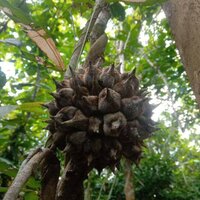
The fruits of this particular species are softly hairy and yellow-brown coloured when ripe.
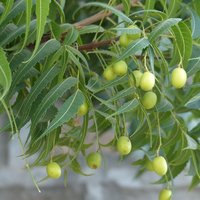
The neem tree is considered as the ´town pharmacy´ by many people in India, through the many medicinal applications of the leaves, bark and fruits.
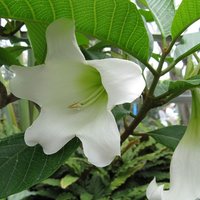
A climbing container plant from the mountains of Nepal, with large, white trumpet flowers. Can be kept outside at a minimum temperature of -3 degrees Celsius.
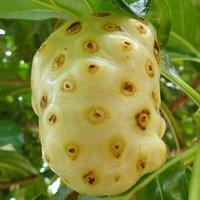
The peculiar yellowish white noni fruits are famous for the healthy juice that can be made of the fruits. It is an easy plant to grow indoors.
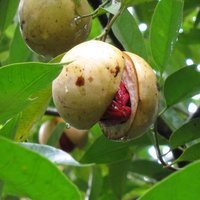
The seeds of the nutmeg tree are the source of two popular spices: nutmeg and mace.
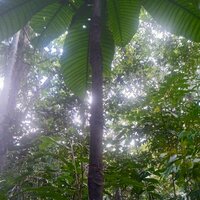
The leaves of this species can grow to an enormous size of at least 2 metres and turn red when they fall off.
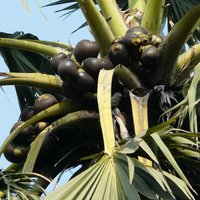
The fruits of this Asian palm species can weigh up to 2.5 KG and each fruit contains 1 to 3 large, heavy seeds.
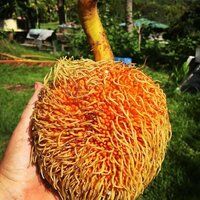
The pedalai has striking hairy and edible fruits and belongs to the same genus as the jackfruit.
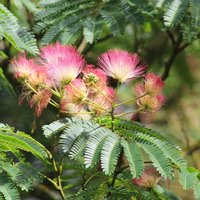
The most winter hardy Persian silk tree (sometimes referred to as Persian sleep tree) with pink-white flowers and leaves that close at night.
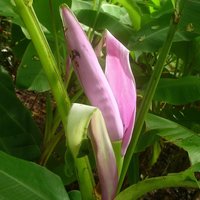
This species has a pink inflorescence and can be grown well as a container plant because of its compact growth. Hibernate at a minimum of 5 degC.
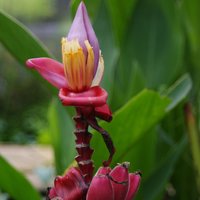
A small banana species with a beautiful pink inflorescence that is followed by sweet pink edible bananas. A nice plant to keep in a container at a minimum of 0 degC.
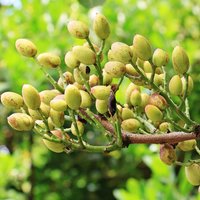
Cultivate your own pistachio nuts, which are rich in vitamins and minerals! It is a container plant from central Asia.
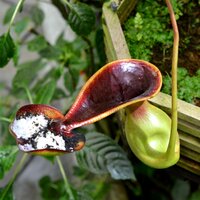
This rare highland species of Nepenthes produces 2 types of pitchers that are designed to catch bird poo and insects!
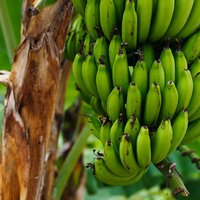
All bananas in the store come from hybrids of this banana. This is also a hybrid, however, this is a natural one between M. acuminata and M. balbisiana.
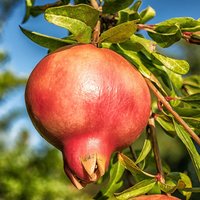
The big delicious pomegranate is rich in polyphenols, vitamin C and potassium. The species is in particular cultivated around the Mediterranean Sea.
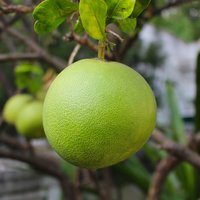
The pomelo is the largest citrus fruit in the world. The white fruit pulp has a fresh, bittersweet taste.
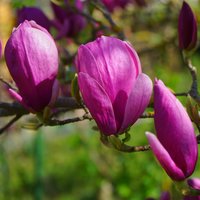
A small variety of magnolia with purple flowers. The flowers disperse a delicious smell.
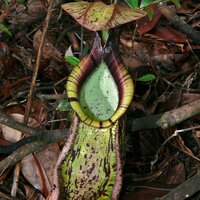
This carnivorous plant produces pitchers that can grow up to 20 cm in size.
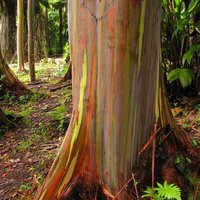
Beautiful eucalyptus with a colourful trunk that originally grew in the tropical forests of the Philippines.
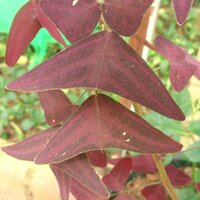
The large leaflet at the end having a distinctive shape reminiscent of a butterfly.
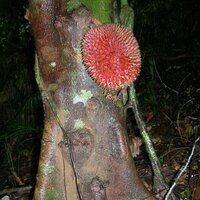
The red durian is considered the tastiest variety of durian.
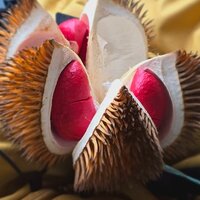
The red-fleshed durian is a rare and striking durian from the tropics of Southeast Asia.
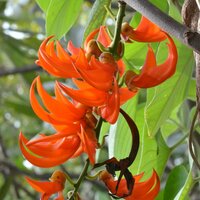
The bright red flowers of this rare climbing plant are quite spectacular and appear in large, hanging clusters.
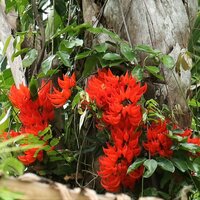
This rare climbing plant produces a spectacular inflorescence with hanging clusters of bright red flowers.
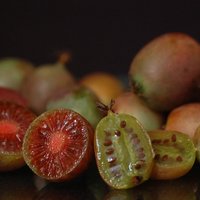
The cranberry red kiwis of this variety are deliciously sweet. A hardy species that is rarely seen.
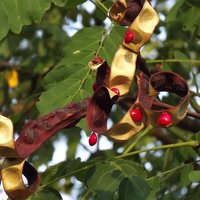
A species from India with beautiful, bright red seeds which are used in Asia for all kinds of jewellery.
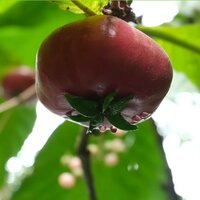
The red sapote is a very rare tree with sapote-like fruits that resemble a tomtato in appearance.
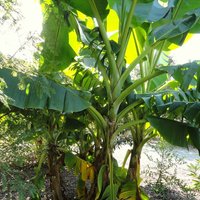
A variety of the more common M. sikkimensis from Sikkim, with red striped leaves. At a sheltered spot and packed with isolating material the variety can withstand low temperatures.
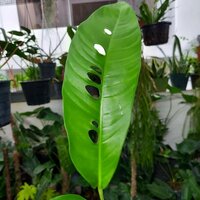
The leaves of this species develop rather large, irregularly shaped holes in later life.
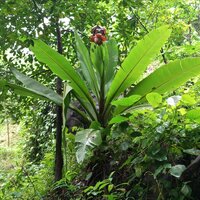
The bulbous stem gives the banana a special, palm-like appearance.