


World map / Australia
Loading...
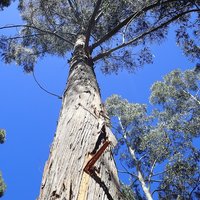
The wood of this species is widely used in Australia as hardwood. It is the ninth tallest tree in the world with a gray trunk and numerous white flowers in summer.
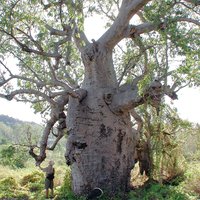
Only species with an origin in Australia. Aboriginals used these trees as a water source during dry periods. Can be cultivated as houseplant too.
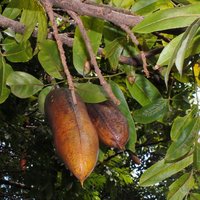
The seeds of this Australian species are somewhat similar to chestnuts, but with a weight of 30 grams they are much larger.
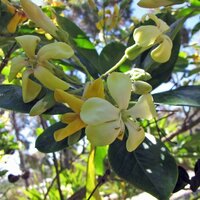
The 5 cm big flowers grow in clusters and produce a wonderful fragrance similar to the normal frangipani.
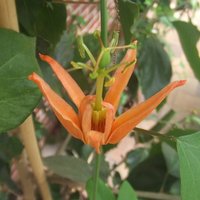
A Passionflower from Australia with a compact growth that grows well as an indoor plant. This species produces plenty of flowers, which colour gradually from yellow to red.
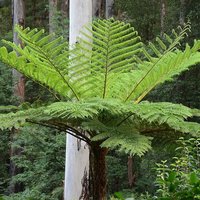
One of the most winter-hardy tree ferns out there. Originates from New South Wales and Queensland in Australia.
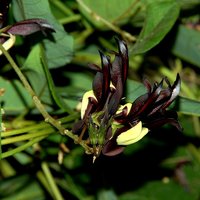
One of the few species in nature with black flowers. These flowers have a yellow heart and grown on a small climbing plant that must be protected against frost.
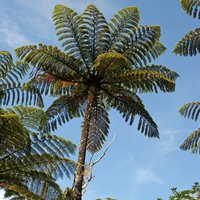
A tree fern with a black trunk which occurs on the northern island of New Zealand. Protect the plant against frost.
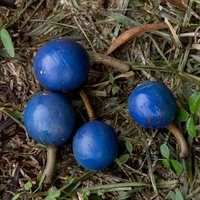
The very special seeds resemble the holy Rudraksha, but come from a different rare plant from Australia.
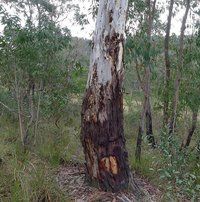
Bark lasts long on the coloured trunk, causing the strain after a while to start looking like a candle. Originally grew in the southeast of Tasmania.
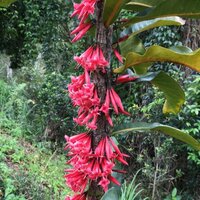
The bright pink flowers of this species grow on the stem and bloom many at a time.
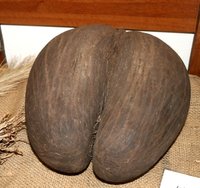
Sea coconuts are the largest seeds in the world and also one of the rarest. They originally grow on two islands of the Seychelles.
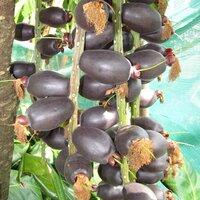
The Cutnut is an unusual and rare species from Fiji and Vanuatu. The inflorescence can grow up to 1.8 metres long and has distinctive, yellowish to pink hairs.
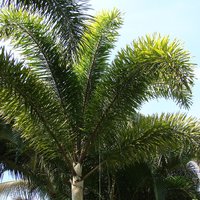
A beautiful palm from Cape Melville in Australia that has only recently been discovered. Can be kept outside on a sunny spot with a minimum of -4 degrees Celcius. Has large...
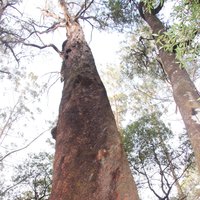
This 99.6m high eucalyptus is the highest angiosperm in the world. Only the Sequoia sempervirens is as a gymnosperm even higher. Partially hardy.
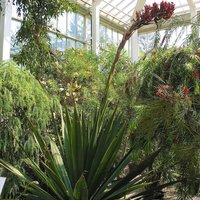
The inflorescence may be five meters high and hangs often down by the weight of the bright red flower clusters. Resistant to temperatures up -4 degrees Celsius.
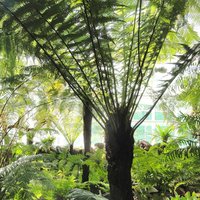
A tree fern from the moist forests of New Zealand which remains smaller compared to the related Tasmanian tree fern. Without protection it can overwinter at a minimum of –5 degC.
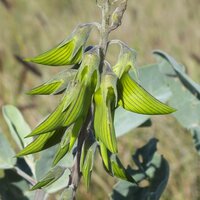
The interesting green flowers of this plant closely resemble a small hummingbird.
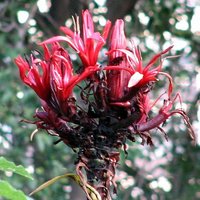
An Australian plant with clusters of bright red flowers on a long stem. Easily kept species at a minimum of 7 degrees Celsius.
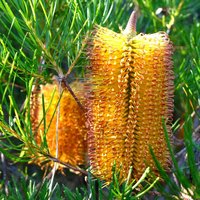
The inflorescence of this Banksia species looks very special, can be up to 15cm in height, and consists of hundreds of individual flowers.
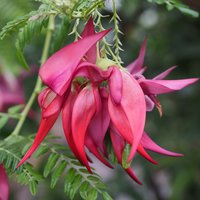
The remarkable red flowers look like the beak of the New Zealand Kaka, a parrot species. Performs well as a container plant.
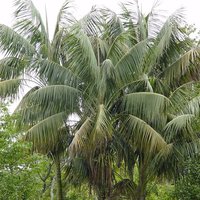
The Kentia Palm has been popular as a houseplant since the 19th century, but only occurs naturally on 1 island east of Australia: Lord Howe Island.
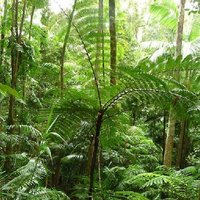
A graceful tree fern with a thin stem and light green leaves up to 1 meter long. Protect the species from frost and strong wind.
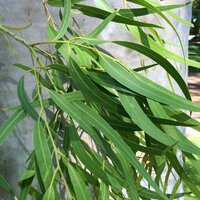
The lemon-scented gum is known for its strongly lemon-scented leaves, which are used to keep insects away.
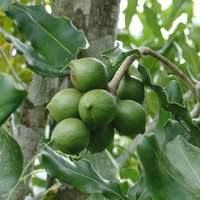
Macadamia nuts are rich in healthy fatty acids and grow on an Australian tree that can be kept as a container plant in temperate climates.
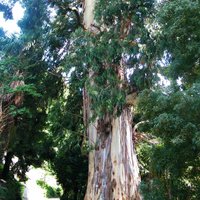
The most popular eucalyptus with koalas due to the high sugar levels in the juice. In a sheltered, sunny spot hardy to about -15 degrees Celsius.
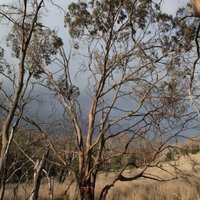
A very rare and endangered species from the southeast of Tasmania. In a sheltered, sunny spot , the species is hardy up to -15 degrees Celsius.
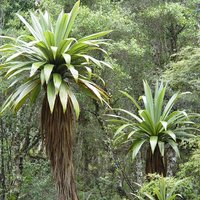
Fibres of the leaves were formerly used by the Maori for fishing and the young shoots are eaten as a vegetable. It’s a container plant from the cool mountain forests of New...
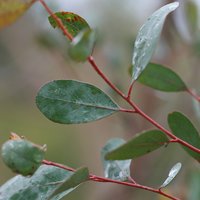
Hardy eucalypt which originates from swamps and floodplains and therefore can grow in moist soil.
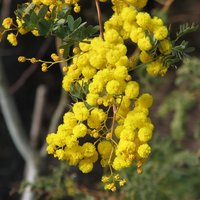
This decorative Acacia species flowers extravagantly with bright yellow flowers. Sometimes the inflorescence is so heavy with flowers that the branches bend down.
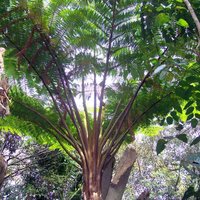
The largest tree fern in the world, which can reach a height up to 20 meters in Norfolk. Can withstand light frost.
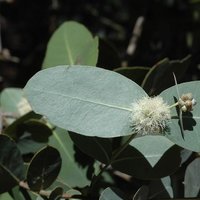
The leaves of this eucalyptus are quite large and spread a wonderful fragrance. The species is hardy.
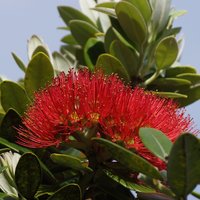
A beautiful species from New Zealand with grey-green hairy leaves and elegant red flowers. Subtropical plant that needs a sunny spot and can be kept in a pot.
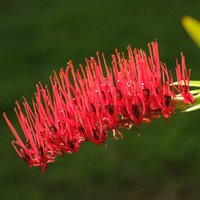
Rare sub-tropical species from New Zealand with many red flowers, forming bristles on long flower stems.
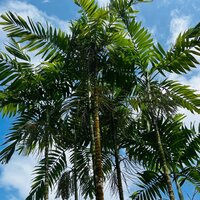
This Ptychosperma is an elegantly pinnate palm from the tropical forests of the Solomon Islands.
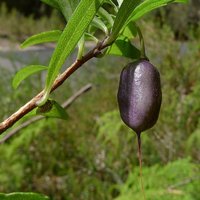
Purple fruits taste like apple and can be eaten fresh or processed in salads. It’s a climber that stays small.
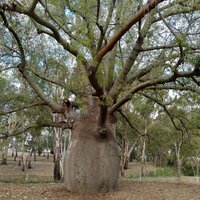
Water is stored in the trunk, causing it to swell and take the shape of a bottle. An easily cultivated species that can withstand relatively low temperatures.
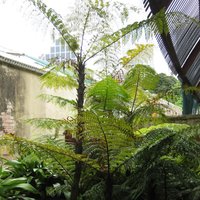
Quite a tropical tree fern, with a thin trunk, which originates from the cloud forests of Queensland in Australia.
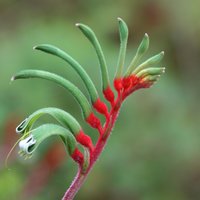
The red-green flowers are native to Western Australia and grow to be quite pretty. A beautiful, compact plant for the patio or balcony.
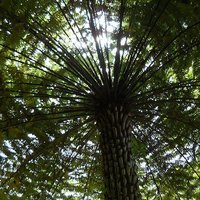
This species is hardy up to -10 degrees Celsius, and originates to the shady, moist forests in southern Australia.
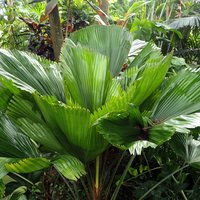
Rare, small palm which originates from the island of Vanuatu in the Pacific ocean. The leaves are beautifully fan shaped.
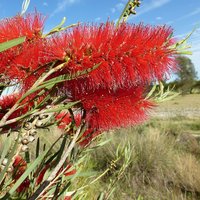
A container plant with pretty, red brush-like flowers which attract all sorts of insects. Can withstand some light frost.
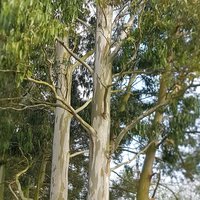
A variety that grows in Australia at an altitude of 1.800 meters on Mount Bogong. The pale green stem has brown stripes and its growth is quite compact. The species is among the...
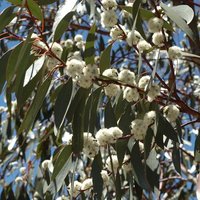
These seeds come from Mount Buller in Australia where the species occurs up to an altitude of 1.700 meters. The trunk is graceful and the species is among the most hardy...
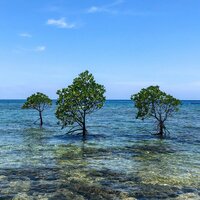
The spotted mangrove is found in large parts of East Asia and Australia along the coast and often grows closest to the sea.
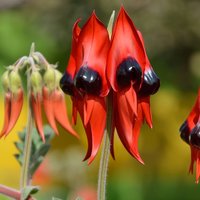
Species from the dry areas of Western Australia, which has alluring bright red flowers. These flowers bloom above the climbing stems and create an interesting contrast with...
The spathe and petioles of this species are very mottled, which is why the plant was named after a snakeskin.
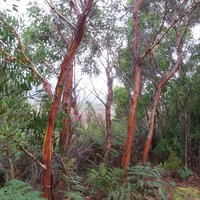
Occurs on rocky soils in southern Tasmania up to a height of 1.300 meters. The leaves are lanceolate and the trunk is grey-white and brown. Hardy species.
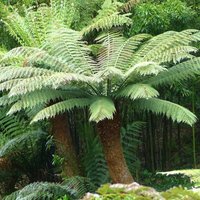
This tree fern originates from the humid cloud forests and along rivers in Tasmania. Without protection it can withstand a minimum of –5 degrees Celsius.
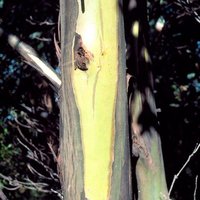
The yellow-green trunk of this Tasmanian eucalyptus is very graceful. In a sheltered, sunny spot, the species is hardy up to -15 degrees Celsius.
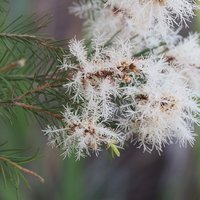
Famous for its tea tree oil that is commonly used in cosmetics and has an antibacterial function. Keep the species as a container plant at a minimum of 5 degC.
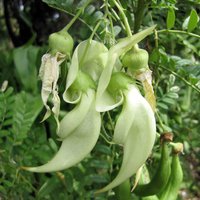
A rare white variety of the red kaka beak. In the wild, this species is almost extinct. Fortunately, the species is cultivated in large worldwide.
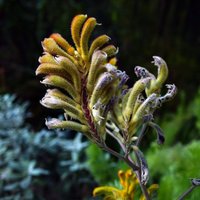
The yellow flowers are pollinated by birds in Australia which can reach the nectar with their long beaks. A beautiful, compact plant for the patio or balcony.