


Subtropical / Edible
Loading...
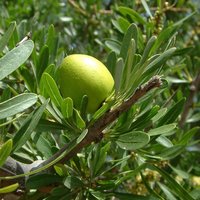
Known for the expensive argan oil that is extracted from this Moroccan tree. The oil can be used in the kitchen or on the skin. Maintain a minimum of -5 degrees Celsius.
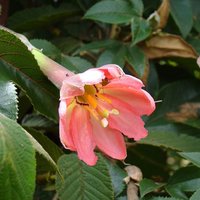
The elegant pink hanging flowers are followed by tasteful oblong yellow fruits. The species originates in the Andes and can resist lower temperatures up to a minimum of -3 degC.
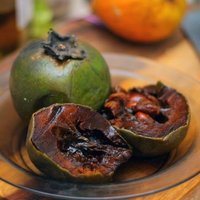
The juicy, darkbrown pulp has a sweet chocolate-like taste. Protect the plant against frost.
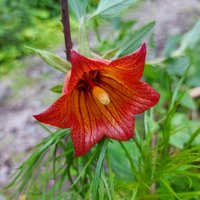
A small species with bell-shaped flowers that originally grew in the cool forests of the Canary Islands. Protect the underground tubers against frost.
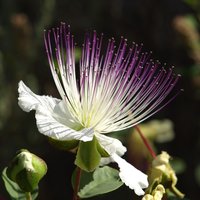
Capers are the unopened flower buds of the caper plant. A small container plant which may even bloom in the first year (min. temperature -5 degrees Celsius).
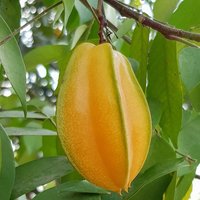
Green to yellow, star-shaped fruits with juicy, sweet-sour fruit flesh. Leaf reacts to light and abrupt movement, after which it can close itself. Plant can withstand light frost.
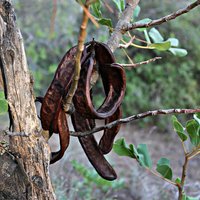
The seeds all exactly weigh 0.2 grams (or 1 carat). Formerly, they were widely used for weighing diamonds and gold. Container plant which can withstand light frost.
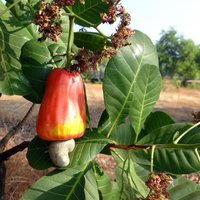
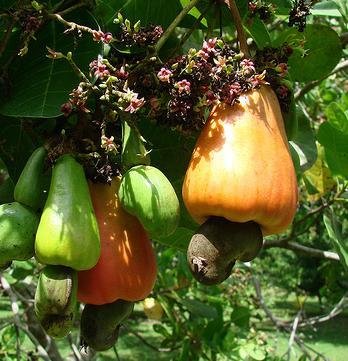
The cashew nut is the inside of a cashew seed which hangs on a sweet cashew apple. Can grow at a temperature of at least 5° Celsius.
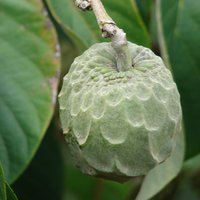
Sweet fruits which can be scooped or may be used in salads or smoothies. Species from the Andes that can be cultivated at a minimum temperature of 5 degrees Celsius.
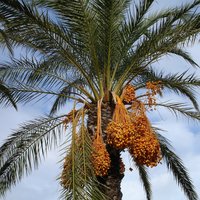
Date palms have been cultivated for thousands of years for the delicious sweet dates. The palm can be grown as a container plant in temperate climates, at a minimum temperature...
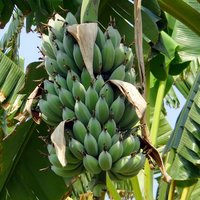
The precursor of the commonly eaten banana, with sweet bananas of about 12 cm in size. Hibernate the species at a minimum of 5 degC.
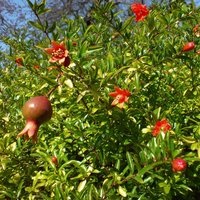
A small variety of the pomegranate, and is therefore even more suitable as a container plant in temperate climates.
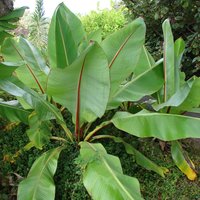
A banana from the humid forests of Ethiopia with edible bananas which can be kept at a minimum of 5 degrees Celsius.
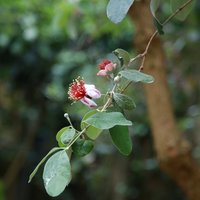
The green fruits smell like pineapple and taste sweet-sour. They can be eaten fresh or mixed in salads or pies. The white-red flowers are quite graceful.
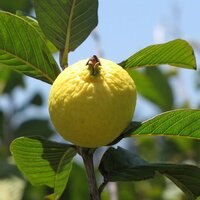
The yellow-green guavas taste sweet and sour and resemble a strawberry in taste.
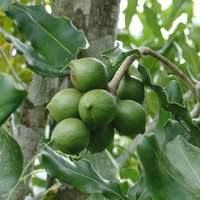
Macadamia nuts are rich in healthy fatty acids and grow on an Australian tree that can be kept as a container plant in temperate climates.
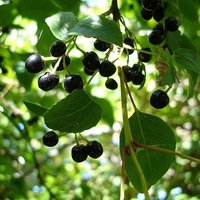
The maqui is from Chile and has been cultivated for centuries by the Mapuche Indians. The berries are healthy and similar in taste to the blackberry.
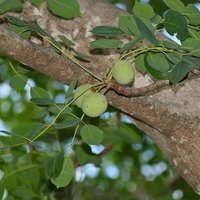
Well known from the South African liquor Amarula. The fruits can also be eaten fresh and contain 8 x more vitamin C than an orange. Animals love the fruits as well, and...
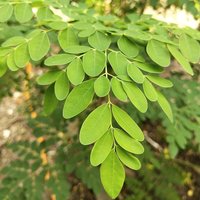
The leaves and fruits contain many vitamins and minerals, and have medical applications. The seeds purify water and contain a high content of oil.
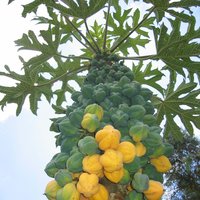
Papaya species which grows at heights up to 3.000 metres in the Andes, which is why a minimum temperature of 5 degrees Celsius should suffice to grown your own papaya’s.
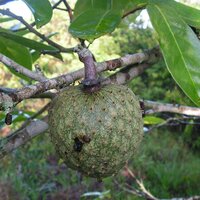
The Mountain Soursop forms green, 15 cm fruits with pale yellow flesh.
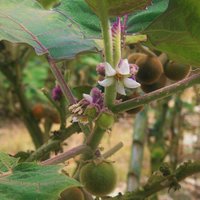
The yellow fruits taste like citrus and can be eaten fresh or can be processed into a refreshing juice.
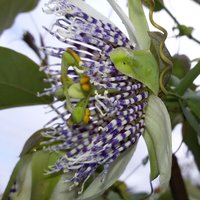
A passionflower with purplish white flowers and orange, sweet passion fruits. The species grows originally in Brazil and can endure lower temperatures to a minimum of 4 degC.
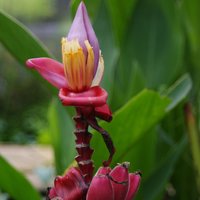
A small banana species with a beautiful pink inflorescence that is followed by sweet pink edible bananas. A nice plant to keep in a container at a minimum of 0 degC.
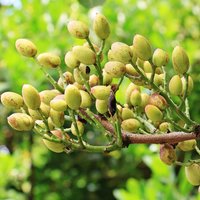
Cultivate your own pistachio nuts, which are rich in vitamins and minerals! It is a container plant from central Asia.
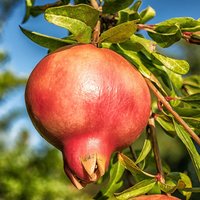
The big delicious pomegranate is rich in polyphenols, vitamin C and potassium. The species is in particular cultivated around the Mediterranean Sea.
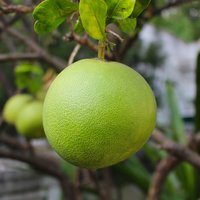
The pomelo is the largest citrus fruit in the world. The white fruit pulp has a fresh, bittersweet taste.
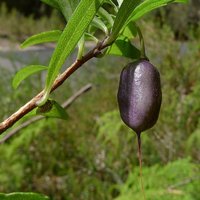
Purple fruits taste like apple and can be eaten fresh or processed in salads. It’s a climber that stays small.
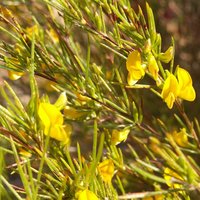
Rooibos or red bush is used to brew the familiar herbal tea from South Africa with the leaves from this small shrub. Can be kept in a pot on a sunny spot.
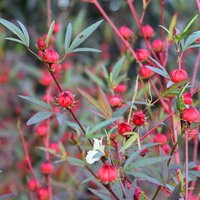
A diverse, beautiful species that grows well as an annual plant. Flowers are edible and famous for the hibiscustea. In Senegal the leaves are used like spinach.
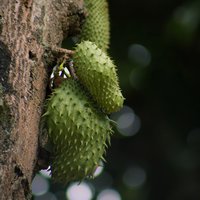
A large fruit from Central America which is widely cultivated for making soft drinks. A minimum temperature of 5 degrees Celsius is required.
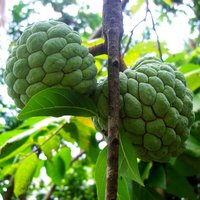
The scaly fruits have white, sweet fruit flesh and a texture like yoghurt. Provide a warm, sunny spot at a minimum of 10 degrees Celsius.
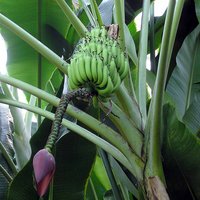
This species has a beautiful red inflorescence and blue-greenish edible bananas. The species can survive frost at a minimum of -5 degC.
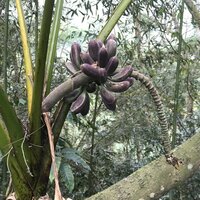
Grows originally in the hills of Taiwan and has a purple/red inflorescence, followed by edible bananas. Hibernate at a minimum of 5 degC.
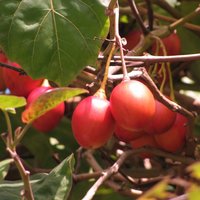
The fruits colour to red on ripening, have yellow flesh and can be scooped or processed just like tomatoes in dishes. The species originates from the Andes.
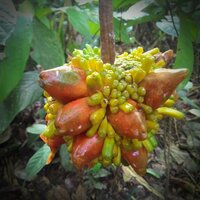
The Tampang susu (or Kesusu) has striking fruit clusters and originates from the lowland forests of Malaysia and Indonesia.
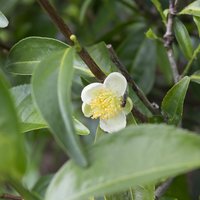
Can be quite hardy in a sheltered, sunny spot, so you can grow your own tea in the garden. White, yellow, green or black tea: it’s all possible.
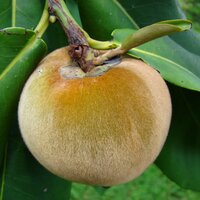
The fruits of this tropical tree have a velvety skin and grow to a size of about 10 cm.
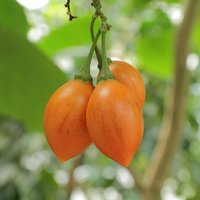
A yellow variety of the red tree tomato. The fruits resemble tomatoes, and can be scooped or processed just like tomatoes in dishes. An easily kept plant.
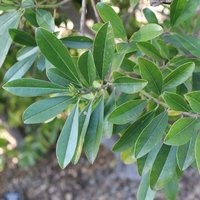
The young leaf of the mate plant is used in South America to make a tasty, invigorating drink: mate.
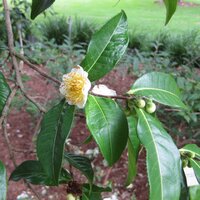
This tea plant from Yunnan has larger leaves than the common tea plant and is best known for Pu'er tea.