You are currently not logged in.
The cranberry red kiwis of this variety are deliciously sweet. A hardy species that is rarely seen.
The red sapote is a very rare tree with sapote-like fruits that resemble a tomtato in appearance.
The bright red fruits have shiny scales and thus resemble snakeskin.
This species contains more caffeine, therefore the coffee tastes a little bit more bitter. Robusta coffee is often blended with Arabica, providing an optimal taste and a layer of foam.
Rooibos or red bush is used to brew the familiar herbal tea from South Africa with the leaves from this small shrub. Can be kept in a pot on a sunny spot.
In Peru, a healthy oil is pressed from the seeds full of omega fatty acids and vitamins A and E. A small climbing plant for the home or as an annual in a greenhouse.
The salak, or snake fruit, is a tropical palm native to Indonesia, best known for its distinctive fruit with a reddish-brown skin reminiscent of snakeskin.
The sapodilla is a tropical fruit tree native to Mexico, Central America and the Caribbean.
A hardy shrub with remarkable coiled pods. The pods are high in proteins, minerals and fibers, and have a sweet caramel-like taste.
Seagrapes grow in clusters and colour on ripening to red. They taste sweet and sour, can be eaten fresh or processed into jam, juice or wine.
A very cold-hardy kiwi with sweet fruits, and leaves that seem to be dipped in paint.
The yellow-orange coloured kiwi’s gain their sweet taste after the first night of frost and grow to be hardy climbers with silver-coloured leaf tips.
A large fruit from Central America which is widely cultivated for making soft drinks. A minimum temperature of 5 degrees Celsius is required.
The black berries have a sweet flavour and are high in antioxidants and minerals.
The Sri Lanka mango is a rare wild mango species which is not cultivated and found only in Sri Lanka. The mangoes are deliciously juicy and have a sweet taste.
No strawberries, but strawberry-like fruits grow on this cold-hardy tree. They taste slightly sour as elderberries, and can be used for wines, liquors and jams.
The scaly fruits have white, sweet fruit flesh and a texture like yoghurt. Provide a warm, sunny spot at a minimum of 10 degrees Celsius.
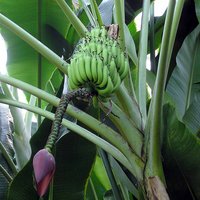
This species has a beautiful red inflorescence and blue-greenish edible bananas. The species can survive frost at a minimum of -5 degC.
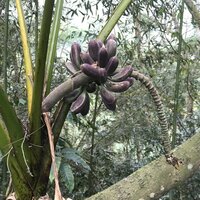
Grows originally in the hills of Taiwan and has a purple/red inflorescence, followed by edible bananas. Hibernate at a minimum of 5 degC.
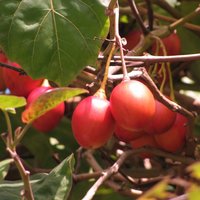
The fruits colour to red on ripening, have yellow flesh and can be scooped or processed just like tomatoes in dishes. The species originates from the Andes.
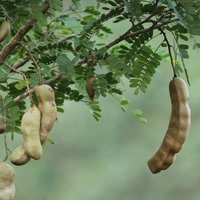
Species from eastern Africa with pods used in Asian cuisine. The pulp is sweet and sour and contains a lot of sugars, vitamin B and calcium.
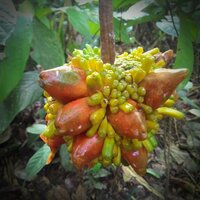
The Tampang susu (or Kesusu) has striking fruit clusters and originates from the lowland forests of Malaysia and Indonesia.
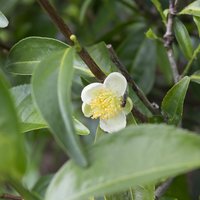
Can be quite hardy in a sheltered, sunny spot, so you can grow your own tea in the garden. White, yellow, green or black tea: it’s all possible.
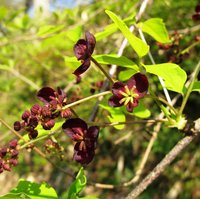
This hardy vine flowers in spring with numerous deliciously smelling purplish brown flowers. The inflorescence is followed by blue/purple fruits with edible white pulp.
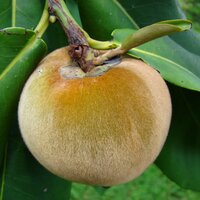
Its irregular shape and spiky, greenish-yellow skin are reminiscent of a jackfruit.
The fruits of this tropical tree have a velvety skin and grow to a size of about 10 cm.
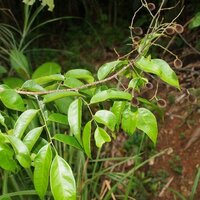
The fruits have velvety hair and a yellowish, sweet pulp similar in flavour to tamarind.
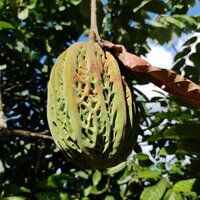
The white cocoa tree (or Mocambo) is a special and rare variety of regular cocoa.
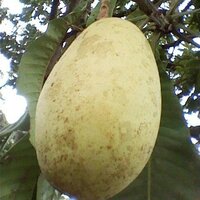
The white mango is a popular species in Southeast Asia, prized for its delicious sweet and sour taste and the fact that it is less fibrous than most mango’s.
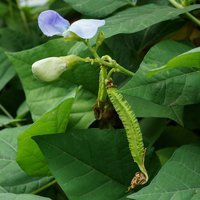
The pods of this vine have 4 jagged wings and can be harvested when unripe for consumption.
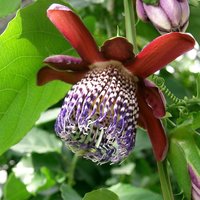
A small species with reddish purple flowers and yellow orange, delicious passion fruit. The stems are winged.
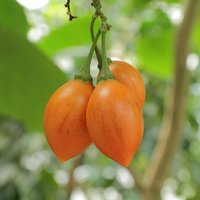
A yellow variety of the red tree tomato. The fruits resemble tomatoes, and can be scooped or processed just like tomatoes in dishes. An easily kept plant.
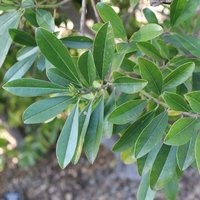
The young leaf of the mate plant is used in South America to make a tasty, invigorating drink: mate.
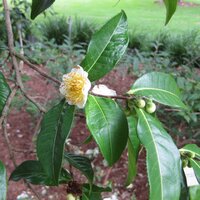
This tea plant from Yunnan has larger leaves than the common tea plant and is best known for Pu'er tea.
Enter your desired name below.
Give your new wishlist a name below.